
Medically reviewed by
Consultant Psychiatrist. MB BS, MRCPsych, CCST Specialist Training in Adult Psychiatry and Addictions.
Last reviewed
We offer private ADHD assessments to children and young people aged 6 – 17.5 years old.
Our assessments are conducted by a HCPC registered Practitioner Psychologist, guaranteeing you a high-quality, needs-led assessment.
If you are seeking a high-quality, person-centred ADHD assessment supported by a Multi Disciplinary Team (MDT) as per NICE guidelines; The Retreat Clinics is here to help.
A limited number of evening and weekend online appointments are available for children over the age of 8. Children aged 8 and under, or those with more complex needs, will need to be seen in person.
To refer your child for an ADHD assessment, please fill out the CYPND Self-Assessment Referral Form.
How Child ADHD Assessment Works
To ensure your child receives the right support, we follow a comprehensive, evidence-based process led by a HCPC registered practitioner psychologist. Here is the step-by-step journey of an assessment with The Retreat Clinics.
Step 1
Referral & Triage
Your journey begins by completing our self-referral form, where you can share examples of your child’s symptoms and experiences. Once received, our clinical team carefully triages your information to confirm that an ADHD assessment is the most appropriate path for your child before we arrange your appointment.
Step 2
Information Gathering
To gain a complete picture of your child’s needs, we use the Conners 4 diagnostic tool, a recognised “gold standard” in ADHD assessment. This involves gathering structured feedback from you, your child, and their teacher. This multi-perspective approach helps our psychiatrists understand how symptoms impact your child across different settings, such as at home and in the classroom.
Step 3
Diagnostic Assessment
You will be warmly welcomed by your HCPC registered practitioner psychologist for an in-depth assessment. The assessment is 2.5 hours long. This can be spread across two appointments, specially for younger children. During this session, we will guide you through a structured clinical interview based on the latest DSM-V criteria. They will review the information gathered, observe your child’s interactions, and discuss their general wellbeing to formulate an accurate diagnosis.
Step 4
Multidisciplinary Team Meeting
After the assessment appointment, our multidisciplinary team (MDT) will review all the information gathered. In some cases, particularly more complex ones, this may include a discussion with a consultant psychiatrist. We will go through the diagnosis, the information considered, and a bespoke treatment plan tailored to your child’s unique needs. A feedback session is then offered where the outcome is fed back, and there is the opportunity to ask questions and discuss individualised recommendations. A detailed report will follow in 4 weeks time.
Step 5
Post-Diagnostic Support
Post-diagnostic support is available for the individual child or young person, as family or in the form of parent consultation. These sessions have a practical approach and can involve coaching to develop strategies that can help with organisation, time management, and attention, alongside help with managing emotions and better understanding the diagnosis.
Children’s ADHD Services Prices
Face-to-face only.
Scroll sideways to view all prices.
| Description | Price |
|---|---|
| ADHD Initial Screen | £250.00 |
| ADHD Diagnostic Assessment (following screen) | £1050.00 |
| ADHD Full Diagnostic Assessment | £1300.00 |
| Autism / ADHD Combined Assessment | £3250.00 |
Ready to take the first step?
Getting a diagnosis is a significant milestone, but it’s only the start of your journey. We’re here to support you as you learn to manage your condition, providing friendly expert advice to help you succeed in your care.
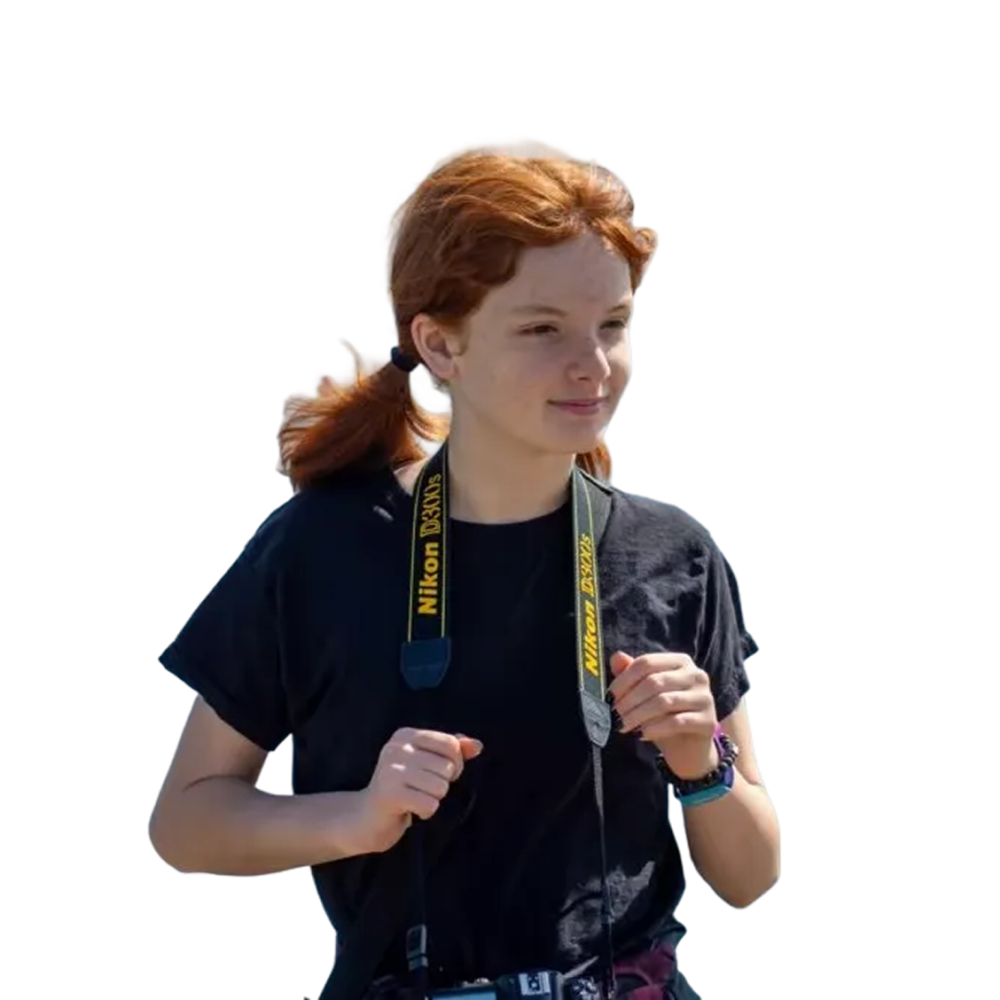
Recognising the Signs of ADHD
ADHD presents differently in every child. While it is commonly characterised by hyperactivity, inattentiveness, and impulsivity, the way these traits appear can vary significantly.
Clinically, there are three recognised types of ADHD in children and young people. For a diagnosis to be considered, these symptoms must have been present for at least six months.
Inattentive
Previously known as ADD, this type is diagnosed when symptoms of inattention are present, but hyperactivity and impulsivity are not significant.
Common signs include:
- Poor organisational skills & difficulty prioritising tasks.
- Continually starting new tasks before finishing.
- Carelessness and a lack of attention to detail.
- Continually losing or misplacing things (e.g., school books, toys).
- Forgetfulness in daily activities.
- Inability to focus or sustain attention.
Hyperactive / Impulsive
This type is diagnosed when symptoms of hyperactivity and impulsivity are present, but the child does not struggle significantly with inattention.
Common signs include:
- Restlessness and an inability to sit still.
- Difficulty keeping quiet; often speaking out of turn or interrupting others.
- Extreme impatience (e.g., difficulty waiting their turn).
- Taking risks in activities with little regard for personal safety.
- Mood swings, irritability, and an inability to deal with stress.
Combined
Diagnosed when a child displays a combination of symptoms from both the Inattentive and Hyperactive/Impulsive categories.
Common signs include:
- A mix of struggling to focus and high energy levels.
- Disorganised behaviour alongside impulsive decision-making.
- Restlessness combined with forgetfulness.
- Significant impact on both learning (focus) and social interactions (impulsivity).

Understanding Child ADHD
ADHD is a neurodevelopmental condition that affects how the brain processes attention and impulses. While this offers a unique way of experiencing the world, unrecognised ADHD can cause significant challenges in school, social settings, and at home.
Our expert, psychiatrist-led assessments provide more than just a diagnosis, they offer clarity. By understanding the whole child, we can provide the practical strategies and clinical recommendations needed to turn daily struggles into confidence and success.
Your Questions Answered
We understand that seeking a diagnosis for your child can feel overwhelming. Here are the answers to the questions we are asked most frequently, to help you make an informed decision.
As the diagnosis is done by a GMC registered psychiatrist specialising in ADHD there is no reason why this will not be recognised by a school, college or your GP. However, we recommend that you liaise with your school/GP to ensure that they will recognise the assessment as we are unable to take responsibility for this.
The cost of the diagnostic assessment is £1300 but click here for our complete pricing structure.
Your consultant will note any reasonable adjustments they feel necessary for school, college or university in your assessment letter.
Whilst the assessment is specifically for ADHD, your psychiatrist will also undertake a general assessment and note any other common occurring psychiatric conditions which may be contributing to your current difficulties, such as anxiety, depression or personality difficulties. If further assessment of these are required, our consultant psychiatrist would be happy to offer a general psychiatric assessment.
The Retreat Clinics does not offer medication for children and young people for ADHD at
this time. If a referral to your local CAMHS team is required for medication, this will be
organised as part of your assessment fee.
Following your assessment we will send you, via secure email, a detailed report from your psychiatrist, outlining any diagnosis and treatment plan recommendations. We will aim to send this within 4 weeks of your assessment.